AQ Forensics at the Cardano Summit 2025 in Berlin: Why Digital Identities Could Shape the Future of Cybercrime Prevention.
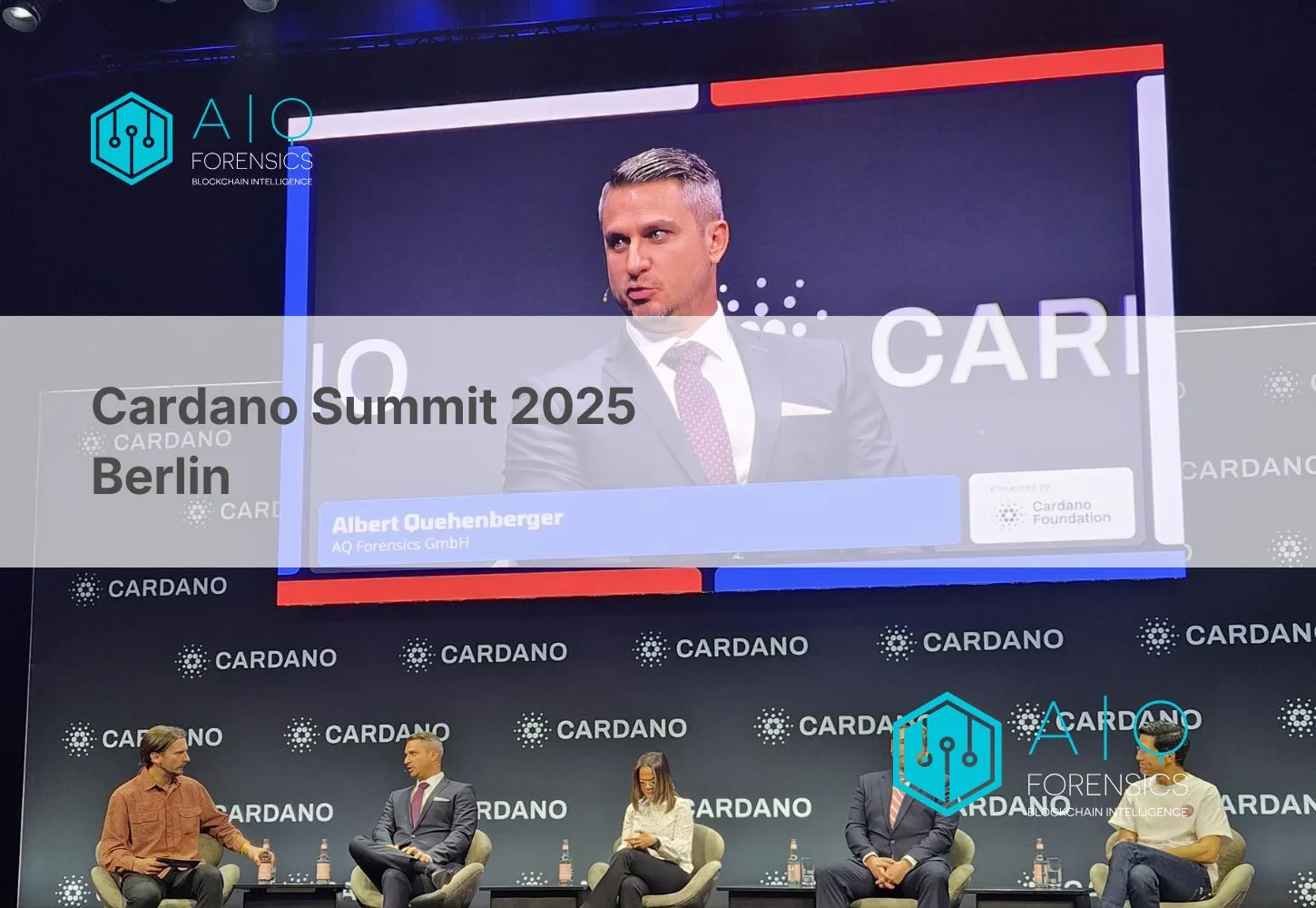
At the Cardano Summit 2025, Albert Quehenberger discussed decentralised digital identities, data protection and the future of trustworthy digital infrastructure with international experts.
Digital identity is increasingly becoming one of the central topics of modern digital societies. At the Cardano Summit 2025 in Berlin, Albert Quehenberger, CEO of AQ Forensics, took part in an international panel discussion on decentralized digital identity (DID). Together with representatives of the Cardano Foundation, Animoca Brands, PCCW Global and further experts, the opportunities, challenges and long-term effects of decentralised identity systems were discussed. At the centre was one key question: how can digital identities be created that ensure data protection, trust and security at the same time?
Why digital identity is becoming increasingly important
Digitalisation has changed almost every area of life. Educational qualifications. Bank accounts. Health data. Proof of ownership. Official documents. An ever greater part of personal identity exists in digital form today. At the same time, the number of identity-related offences is rising continuously worldwide. Identity theft, account takeovers, forged documents and social engineering attacks are now among the most frequent forms of digital crime. Against this background, decentralised digital identities are becoming increasingly important. Unlike conventional identity systems, control over personal data remains more firmly with the individuals concerned.
„Digital identity is not a technological luxury. It is becoming a fundamental building block of a trustworthy digital society.“
The role of decentralised identities in preventing cybercrime
In the view of AQ Forensics, the potential of decentralised identities lies not solely in improving administrative processes or digital services. The preventive effect is particularly relevant. Many forms of modern cybercrime are based on identity abuse. These include, among others:
- identity theft
- account takeovers
- document forgery
- fraud using false identities
- social engineering
- digital impersonation
Decentralised identity systems could help to make the manipulation of digital identities considerably more difficult. That would not only make investigations easier, but potentially prevent numerous offences in the first place.
One of the greatest challenges: usability
Despite their potential, decentralised identity systems face one decisive challenge. The technology has to be easy for users to understand and intuitive to use. Broad acceptance in society does not arise from technical innovation alone. It arises from usability. In the long run, digital identities have to become as easy to use as today's login systems of the large technology platforms. Only then can widespread use be achieved.
- ease of use
- high security
- data protection
- device independence
- international usability
These factors will largely determine the future spread of decentralised identity systems.
Digital resilience in times of crisis

Another focus of the discussion was the question of what role digital identities can play in crisis and conflict situations. As a result of wars, natural disasters or political instability, people frequently lose access to important documents. Educational qualifications. Proof of ownership. Medical information. Personal identity documents. Decentralised digital identities could help to make such information permanently available, independently of physical documents. This creates an additional form of resilience for society and for individuals.
Why this topic is relevant for companies, authorities and society
The debate about digital identity has long since ceased to concern only the blockchain sector. It concerns:
- companies
- authorities
- financial service providers
- educational institutions
- healthcare
- international organisations
Trustworthy digital identities are a central precondition for secure digital processes. At the same time they can help to reduce fraud risks and make digital interactions more efficient.
The role of AQ Forensics
AQ Forensics deals with the consequences of digital crime every day. The analysis of cryptocurrency fraud, digital assets and cybercrime structures regularly shows how strongly modern perpetrator groups benefit from weaknesses in existing systems of trust and identity. Against this background, AQ Forensics follows the development of decentralised identity solutions with great interest. Taking part in the Cardano Summit offered the opportunity to bring practical experience from digital investigations into the discussion about future identity infrastructure.
Assessment and outlook
The discussions at the Cardano Summit 2025 made clear that digital identity goes far beyond a technical concept. It touches on central questions of data protection, trust, security and societal resilience. At the same time it is apparent that the successful introduction of decentralised identities will not depend on technological innovation alone. Usability, education, interoperability and acceptance in society will be decisive. In the view of AQ Forensics, decentralised digital identities are among the most promising developments in digital trust infrastructure of the coming years.
Interested in a talk, panel or specialist contribution on blockchain forensics, cryptocurrency fraud or digital trust infrastructure?
AQ Forensics takes an active part in international discussions on blockchain forensics, cybercrime and digital trust systems.
Please get in touch here.
Über den Autor
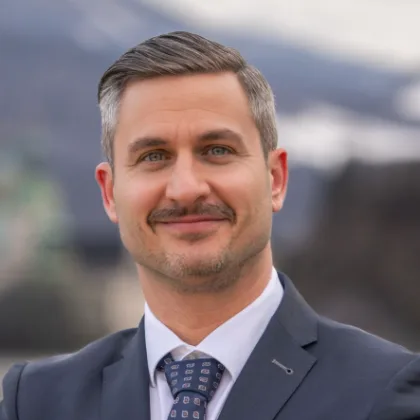
Albert Quehenberger is founder and managing director of AQ Forensics GmbH and a specialist in blockchain forensics, cryptocurrency investigations and digital asset analysis. With more than a decade of experience in intelligence, digital investigations and blockchain analysis, he supports companies, banks, lawyers, authorities and private individuals in investigating crypto fraud cases, asset tracing and analysing complex financial flows on public blockchains.
His career includes more than six years in military intelligence, a master's degree from the WU Executive Academy, specialist training for court-appointed experts and training as an election observer to OSCE/ODIHR standards. He is also a member of the expert council of the European Institute for Future Generations (EIFG), a ChangeNOW ambassador and an adviser for Web3 education programmes in Ethiopia.
Further analyses & case studies
- // AQ INSIGHTS 001 – Reconstructing cross-chain swaps
- // AQ CASES 002 – Asset recovery in practice
- // AQ ECOSYSTEM 003 – AQ Forensics train cybercrime investigators in operational blockchain forensics
- LinkedIn post by Albert Quehenberger on the Cardano Summit 2025
- Cardano Summit 2025 Berlin
- Cardano Foundation
- Cardano Summit 2025 Berlin video